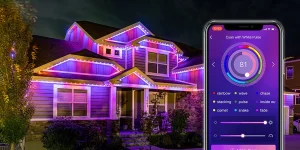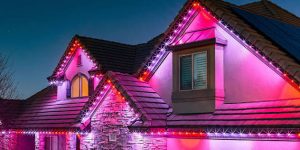
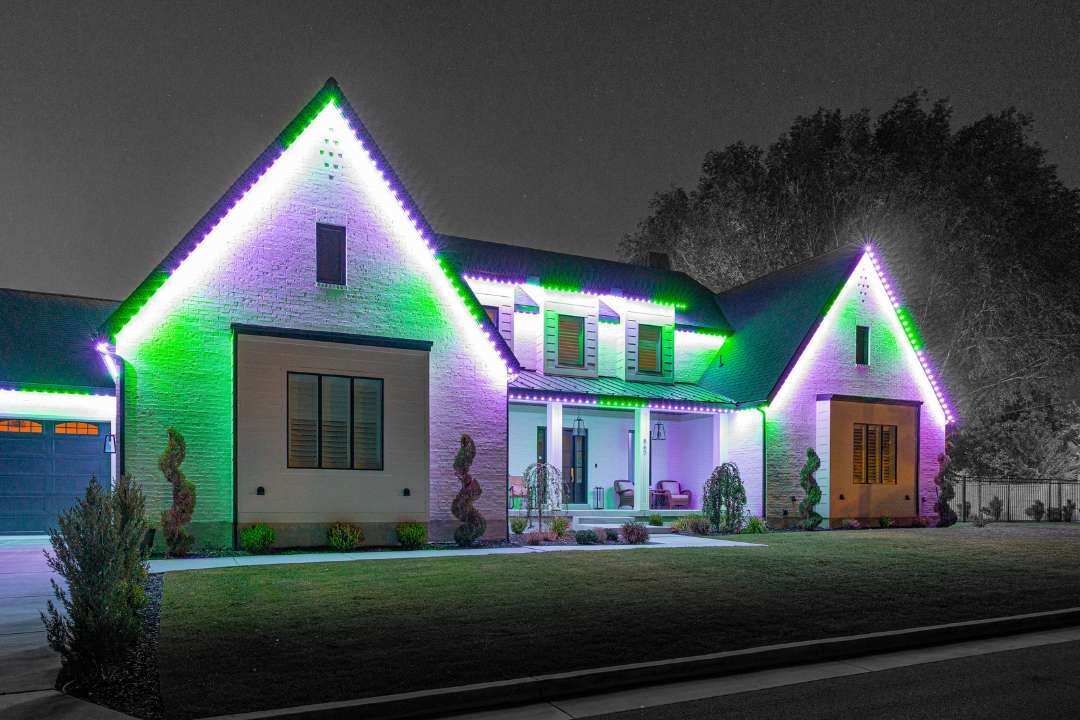

Have you ever walked into your friend’s house and wondered, “Why does the lighting feel so right?” Honestly speaking, lighting isn’t just something functional; it shapes your mood and enhances the depth and personality of your house.
Especially if we talk about track lighting, you instantly feel how it beautifully transforms an ordinary space into something striking. Above all, track lights are capable of highlighting the architectural details of your outdoors. Whether you want to enhance your garden, backyard, or pergolas, track lighting does a better job than a traditional lighting system.
But there are a few questions that most homeowners still ask: What exactly is track lighting, and what type of track lights will suit our space?
If you are also one of those, don’t worry. Today, we are going to break down all the details about track lighting, track types, track lighting fixture types, track lighting standards, how they work, and where you should use them.
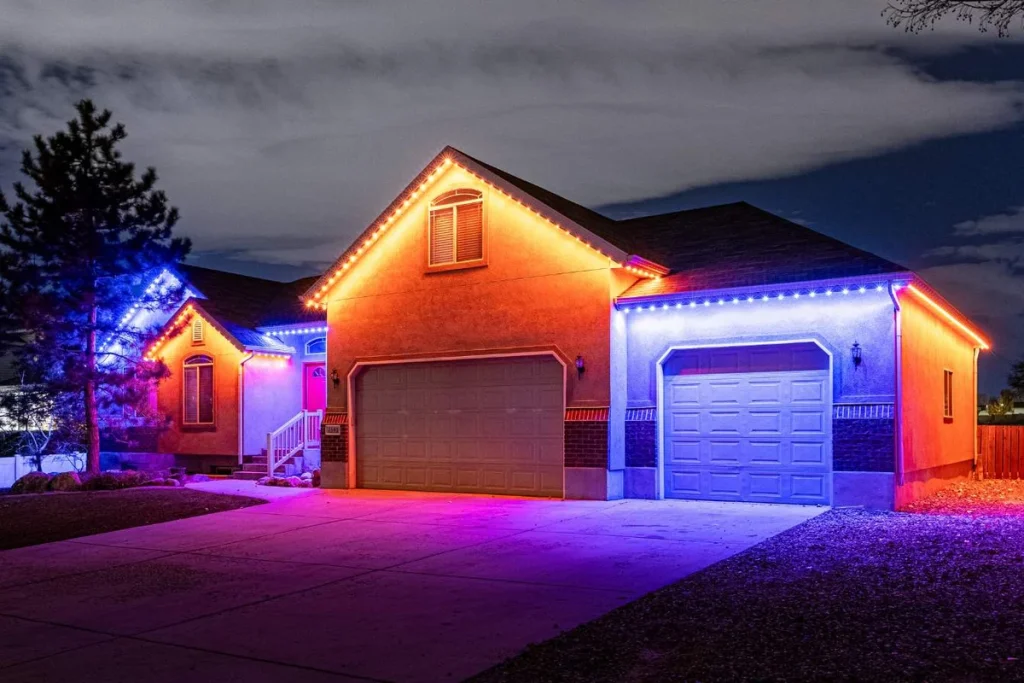
What are Track Lights?
You must be wondering, what are track lights, right?
Track lights are multiple fixtures that are mounted on a continuous track device. Unlike traditional lights, these lights serve both the mounting structure and the electrical conductor.
So, in simple terms, one track means multiple lights, and one power source means flexible lighting positions.
This makes track lighting a versatile option compared to simple or traditional lighting systems.
How Does Track Lighting Work?
Another big concern that most homeowners have today is how track lighting works. Without knowing their way of function, it’s hard to trust the credibility of this lighting system.
Track lights have three main parts:
- The track
- The fixtures
- The power feed
Let’s talk about the trail first. It’s basically a narrow rail mounted on the wall or ceiling. It features electrical conductors inside and then supplies power to all connected lights.
The fixtures, which are also called heads, are individual types of lights attached to the track. You can easily adjust, reposition, or even replace them (do whatever you like). The best thing is, they are available in different styles, such as pendants, spotlights, etc.
Now comes the power feed. It connects the track to your home’s electrical system. It can be placed on the end, middle, or even above the track.
What happens when they all come together? The system works when the electricity flows through the track. Each fixture taps into that power, and you can control the direction and placement as needed.
This makes the overall system super adaptable and efficient.
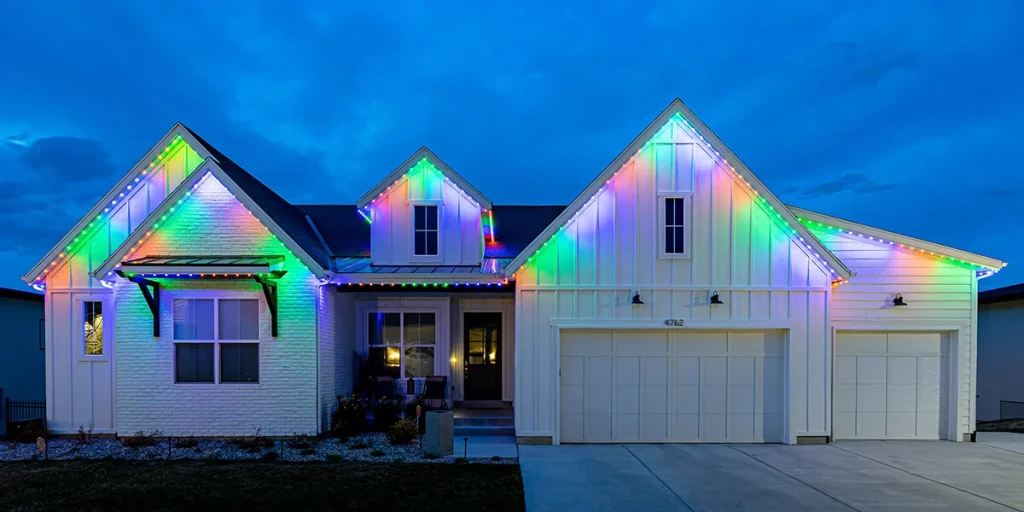
Different Types of Track Lighting
Track lights are available in different types. For example,
-
Standard Linear Track Lighting
Standard linear track lights are one of the most widely used types that have a rigid track mounted to the ceiling. They feature multiple heads that can slide and then reposition along the track. Its simple design makes them easy to install & maintain.
-
Monorail Track Lighting
Monorail track lighting uses a single rail instead of the traditional dual-track system. It gives your space a more decorative and high-end look and is perfect for adding an artistic touch to your outdoors. They can also be shaped into curves for a custom layout.
-
Rail Track Lighting
This type is quite similar to a monorail, but it is available in a pre-designed rail system. It offers a sleek & modern look to your outdoors and offers flexibility in positioning and directing light. Plus, rail track lighting also balances functionality with a more balanced look.
-
Low-Voltage Track Lighting
This type operates at a lower voltage, using a transformer. Low-voltage track lighting is quite energy-efficient as compared to traditional systems. Moreover, it produces more controlled lighting output. You can even pair it with LED bulbs for more efficiency.
Types of Track Lighting Heads
There are different types of track lighting heads available, such as:
-
Spotlight heads:
Narrow beams for highlighting artwork or décor
-
Flood heads:
Wider beams for general room lighting
-
Pendant heads:
Hanging fixtures that add a decorative touch
-
Directional heads:
Adjustable lights for targeted illumination
-
LED integrated heads:
Energy-efficient with built-in LEDs
-
Decorative heads:
Stylish designs that enhance the overall look
Track Lighting Standards Explained
There are mainly three kinds of track lighting standards:
- H Track
- J Track
- L Track
H Track
H track is known as a Halo-compatible track system, which is one of the most widely used tracks. It is known for reliability and versatility and serves as a great solution if you want maximum fixture compatibility.
J Track
J-track is compatible with the Juno-style lighting system, which features a different connector design than H-track. It offers a beautiful and clean look and is best for task lighting and accent lighting.
L Track
L-track is designed for Lightolier-compatible fixtures. Although it is less common than the H track but still widely used. It is also recognized for its unique connector configuration and is ideal for specific lighting brands. This type offers solid durability and performance.
Best Rooms for Track Lighting
You can enjoy the beauty and elegance of track lighting in almost every room of the house. For example:
-
Kitchens:
Bright, focused lighting for cooking and prep.
-
Living Rooms:
Flexible lighting for comfort and style.
-
Hallways:
Even lighting with a clean, modern look.
-
Retail Spaces:
Highlights products and improves visibility.
How to Replace Track Lighting Fixtures?
Here are three easy steps to replace track lighting fixtures:
-
Turn off the power
Switch off the breaker before starting.
-
Swap the head:
Remove the old fixture and click in the new one.
-
Test it:
Turn the power back on and adjust the light direction.
Is Track Lighting Right for Your Home?
Yes, track lighting can be a great fit, especially if you want modern and easy-to-adjust lighting. It works well if you:
- Like contemporary interior design
- Want to highlight specific areas
- Need a mix of task and ambient lighting
- Prefer lighting that can be repositioned without rewiring
But remember, it will not be the best choice if you prefer traditional lighting or want hidden lighting like recessed fixtures.
Upgrade to Modern LED Track Lighting
Are you ready to take the next step toward a more functional lighting setup?
Upgrade to modern LED track lighting and bring a clean, energy-efficient glow to your space with complete control over style and direction. It’s a simple way to enhance both functionality and design without a major renovation.
At Trimlight DFW, we help homeowners and businesses create lighting setups that feel modern, flexible, and perfectly tailored to their space.